Best Electric Motorcycles
for Solar Charging
Electric Motorcycles
Find the best solar-chargeable electric motorcycle for you. Reduce polution while saving money compared to gas. Each EV below can be fueled for free from the sun.
- Direct DC charge
- Power station
19 of 21 models plotted — 2 left out: no purchase price or range on record. A name is printed where there is room and on hover everywhere else. The best value sits top left.
| Vehicle | Purchase price | Range |
|---|---|---|
| Sur-Ron Light Bee X | $4,500 | 47 mi |
| Heybike Villain | $1,199 | 50 mi |
| Sur-Ron Hyper Bee | $3,050 | 35 mi |
| Talaria Sting R MX4 | $4,000 | 62 mi |
| NIU XQi3 Street | $3,999 | 40 mi |
| Sur-Ron Light Bee X 10kW | $4,700 | 47 mi |
| Sur-Ron Ultra Bee HP SW | $5,795 | 71 mi |
| Sur-Ron Light Bee 2 X | $6,100 | 67 mi |
| Talaria Komodo | $6,000 | 71 mi |
| Sur-Ron Storm Bee | $8,499 | 75 mi |
| LiveWire S2 Del Mar | $11,999 | 113 mi |
| LiveWire S2 Mulholland | $11,999 | 120 mi |
| LiveWire S2 Alpinista | $12,999 | 120 mi |
| LiveWire One | $13,999 | 146 mi |
| Spark Cycle Works Javelin | $4,899 | 40 mi |
| LiveWire S4 Honcho Trail | $4,999 | 53 mi |
| LiveWire S4 Honcho Street | $5,499 | 53 mi |
| Kawasaki Z e-1 | $7,599 | 45 mi |
| Kawasaki Ninja e-1 | $7,899 | 45 mi |
| Port | Solar | |||||||||||
|---|---|---|---|---|---|---|---|---|---|---|---|---|
| Direct DC charge1the charge port is a DC input — an MPPT kit feeds the pack with no inverter | ||||||||||||
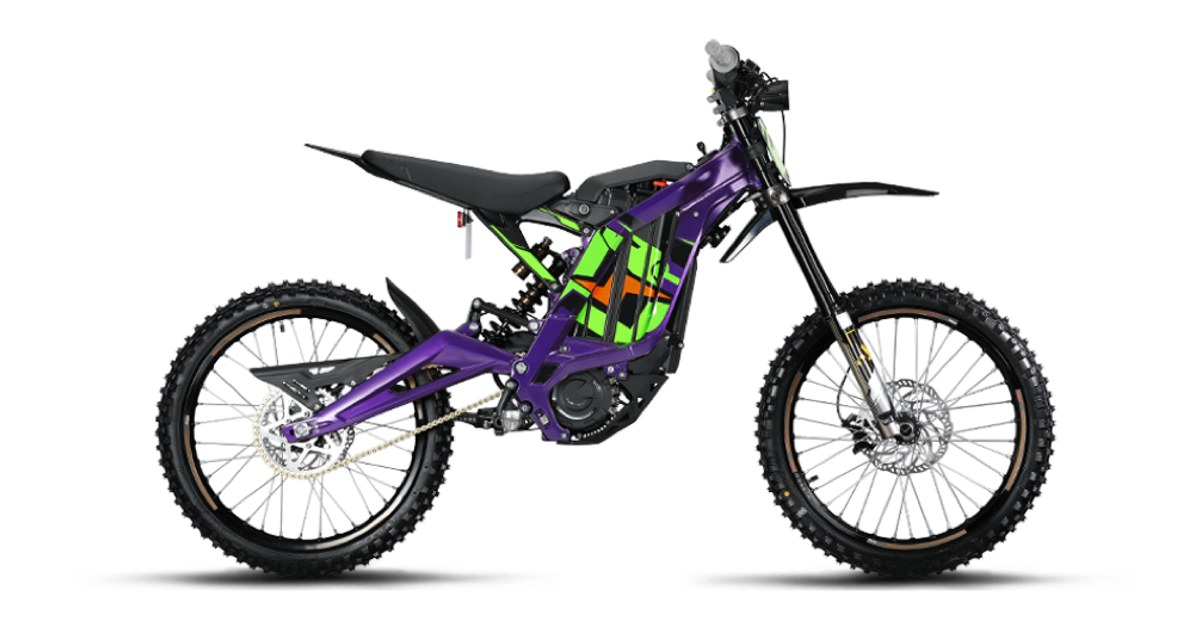 Sur-Ron Light Bee XE-Moto (>750W) | $4,500 | $665 | $0.095/mi | 47 mi | 47 mph | 2.4 kWh | 67.2 V | CNLinko LP-20 3-pin | Direct DC | 2.00 kW | 400 W | 1.6 yr |
| Power station20charged through the vehicle's own mains charger from a station's AC outlet | ||||||||||||
 Heybike VillainE-Moto (>750W) | $1,199 | $1,273 | $0.045/mi | 50 mi | 45 mph | 1.4 kWh | 58.8 V | GX16 aviation plug | Power station | 1.80 kW | 400 W | — |
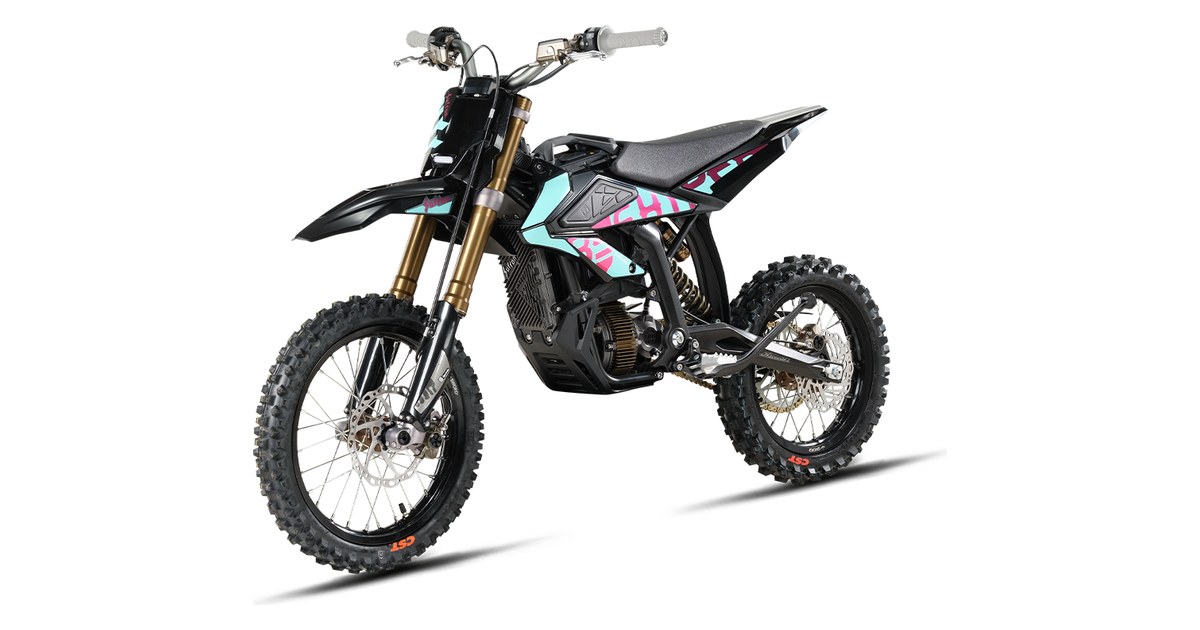 Sur-Ron Hyper BeeE-Moto (>750W) | $3,050 | $1,416 | $0.082/mi | 35 mi | 40 mph | 1.3 kWh | 58.8 V | Sur-Ron Hyper Bee magnetic port | Power station | 2.00 kW | 600 W | — |
| Talaria Sting R MX4E-Moto (>750W) | $4,000 | $1,416 | $0.100/mi | 62 mi | — | 2.6 kWh | 67.2 V | Talaria Sting charge plug | Power station | 2.00 kW | 600 W | — |
 NIU XQi3 StreetDOT Moped / Moto | $3,999 | $1,780 | $0.106/mi | 40 mi | 47 mph | 2.3 kWh | 82.5 V | NIU XQi3 proprietary multi-pin | Power station | 2.00 kW | 900 W | — |
 Sur-Ron Light Bee X 10kWE-Moto (>750W) | $4,700 | $1,780 | $0.119/mi | 47 mi | 50 mph | 2.5 kWh | 84 V | Sur-Ron MY26 charge port | Power station | 2.00 kW | 900 W | — |
 Sur-Ron Ultra Bee HP SWE-Moto (>750W) | $5,795 | $1,833 | $0.140/mi | 71 mi | 59 mph | 4.4 kWh | 84 V | Sur-Ron Ultra Bee smart port | Power station | 2.60 kW | 800 W | — |
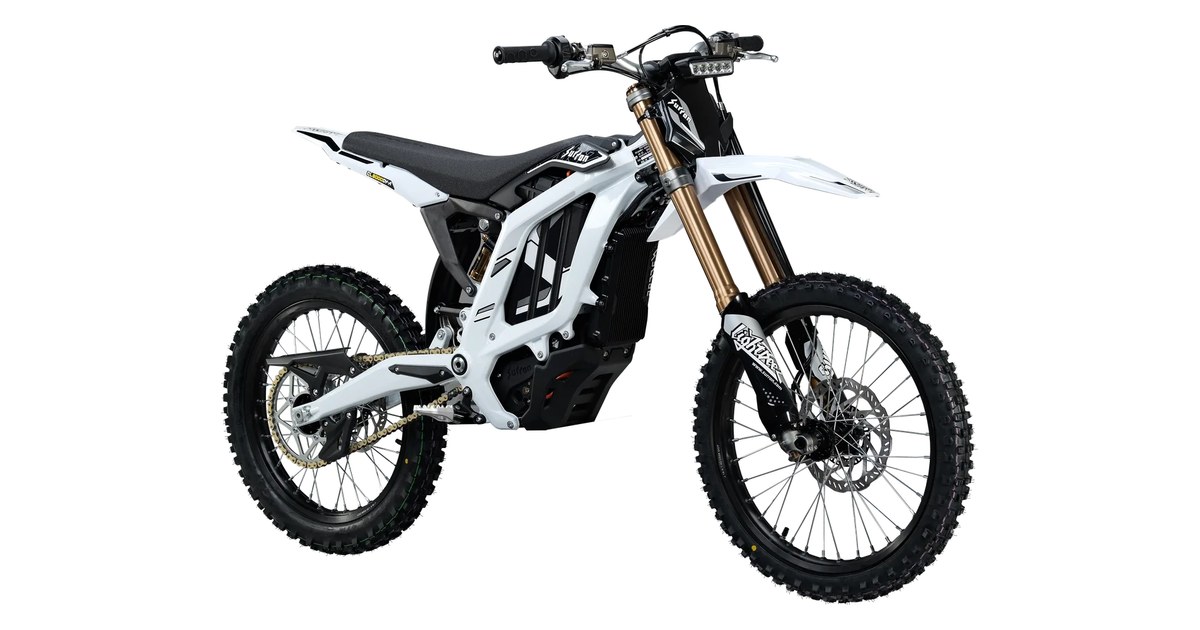 Sur-Ron Light Bee 2 XE-Moto (>750W) | $6,100 | $1,780 | $0.145/mi | 67 mi | 56 mph | 3.5 kWh | 94.16 V | Sur-Ron Light Bee 2 charge port | Power station | 2.00 kW | 900 W | — |
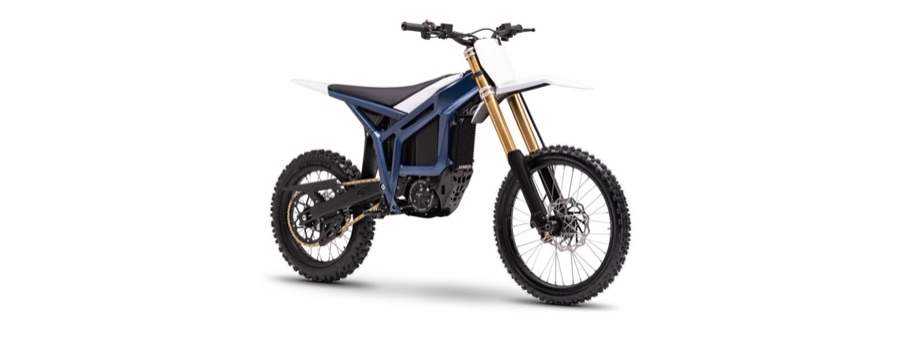 Talaria KomodoE-Moto (>750W) | $6,000 | $2,055 | $0.148/mi | 71 mi | 65 mph | 4.4 kWh | 113 V | Talaria Komodo charge plug | Power station | 2.40 kW | 1000 W | — |
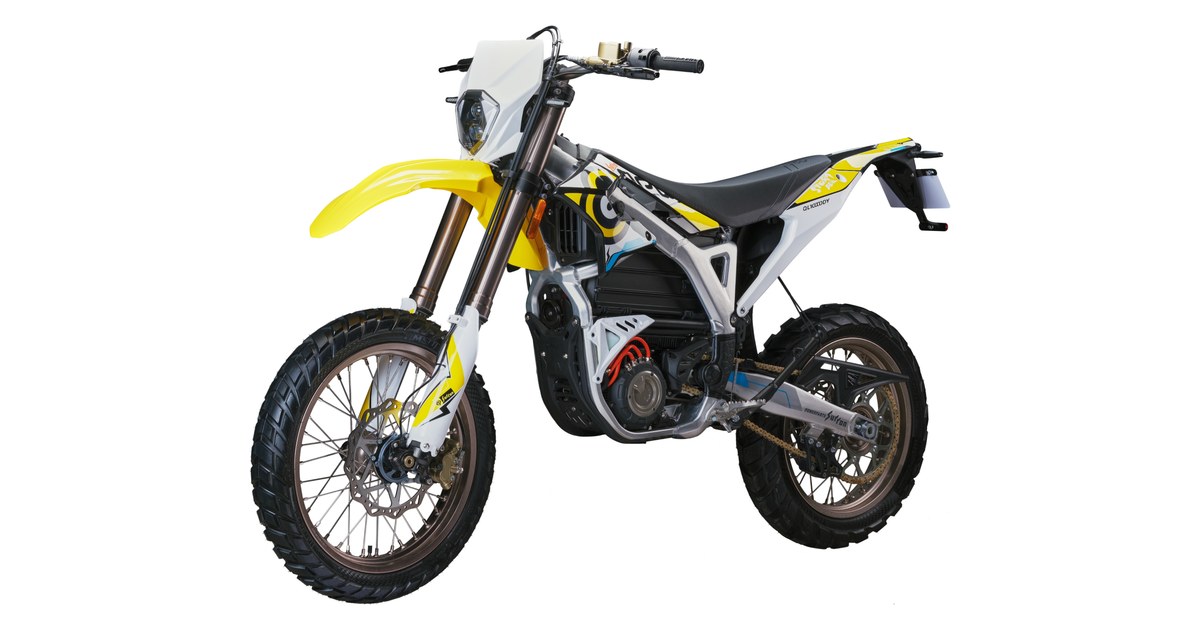 Sur-Ron Storm BeeE-Moto (>750W) | $8,499 | $3,408 | $0.219/mi | 75 mi | 68 mph | 5.7 kWh | 119 V | Sur-Ron Storm Bee charge port | Power station | 2.00 kW | 1000 W | — |
| Stark Varg MX 1.2E-Moto (>750W) | $11,990 | $1,064 | $0.240/mi | — | — | 7.2 kWh | 420 V | Stark Varg charge port | Power station | 2.40 kW | — | — |
| Stark Varg EXDOT Moped / Moto | $13,040 | $1,064 | $0.259/mi | — | 80 mph | 7.2 kWh | 420 V | Stark Varg charge port | Power station | 2.40 kW | — | — |
| LiveWire S2 Del MarDOT Moped / Moto | $11,999 | $3,606 | $0.287/mi | 113 mi | 103 mph | 10.5 kWh | — | SAE J1772 Type 1 | Power station | 2.00 kW | 1200 W | — |
| LiveWire S2 MulhollandDOT Moped / Moto | $11,999 | $3,606 | $0.287/mi | 120 mi | 99 mph | 10.5 kWh | — | SAE J1772 Type 1 | Power station | 2.00 kW | 1200 W | — |
| LiveWire S2 AlpinistaDOT Moped / Moto | $12,999 | $3,606 | $0.305/mi | 120 mi | 99 mph | 10.5 kWh | — | SAE J1772 Type 1 | Power station | 2.00 kW | 1200 W | — |
| LiveWire OneDOT Moped / Moto | $13,999 | $3,606 | $0.323/mi | 146 mi | 110 mph | 15.4 kWh | — | CCS Combo 1 | Power station | 2.00 kW | 1200 W | — |
 Spark Cycle Works JavelinDOT Moped / Moto | $4,899 | — | — | 40 mi | 60 mph | 2.9 kWh | 84 V | — | Power station | — | 1000 W | — |
| LiveWire S4 Honcho TrailE-Moto (>750W) | $4,999 | — | — | 53 mi | 59 mph | 3.5 kWh | — | IEC 62196-6 light-EV inlet | Power station | — | 900 W | — |
| LiveWire S4 Honcho StreetDOT Moped / Moto | $5,499 | — | — | 53 mi | 59 mph | 3.5 kWh | — | IEC 62196-6 light-EV inlet | Power station | — | 900 W | — |
| Kawasaki Z e-1DOT Moped / Moto | $7,599 | — | — | 45 mi | 62 mph | 3 kWh | — | Kawasaki e-1 charge connectoradapter | Power station | — | 1100 W | — |
| Kawasaki Ninja e-1DOT Moped / Moto | $7,899 | — | — | 45 mi | 62 mph | 3 kWh | — | Kawasaki e-1 charge connectoradapter | Power station | — | 1100 W | — |
Two ways to charge from the sun
Every model on this page can be charged from a solar panel. What differs is the route, and the route is the table's two groups:
- Direct DC — the charge port is a DC input, so an MPPT controller feeds it straight from the panels. No inverter, no mains charger in the way: about 95% of what the array makes reaches the battery, so the kit is smaller and cheaper and pays back sooner.
- Power station — there is no DC port a kit can reach (a built-in charger, a car-style inlet, a proprietary handshake), so the array charges a power station and the station's AC outlet runs the mains charger the vehicle came with. It costs more and loses about 30% of the array's output in the two conversions, but it works on every light EV ever made.
What the Port column adds
The port column is a note on the DC route, not a verdict on whether the vehicle can use solar:
- Two-wire — A plain two-wire DC charge port, with a sourced voltage: an MPPT kit feeds it directly.
- Needs adapter — The port is a DC input with a third contact that may be a data or enable line, so a plain two-wire feed may be refused. A purpose-built adapter is required and we have not bench-tested one.
- Port identified — The connector family is named, but something else is missing — usually a sourced charge voltage — so we will not size a controller for it.
- No DC port — A built-in charger, a car-style inlet or a proprietary handshake: there is no two-wire DC input a kit can reach. The power station is the route.
- Not researched — We have not identified this port yet, so we do not claim a DC kit fits it. The power station route still works.
Port still to be confirmed: Heybike Villain, Talaria Komodo, Spark Cycle Works Javelin. Their power-station route works today; we would rather say that than publish a DC kit that might not fit.
If you already own one of these
The kit for a specific model — panel count, controller, cable gauge and the port notes — is on that model's page. If your vehicle is not researched yet, the builder will still size a generic kit and tell you which port check to do first.
Questions
Can you charge an electric motorcycle with a solar panel?
Yes — every motorcycle here. A machine with a plain two-wire DC charge port takes a solar kit directly: panels into an MPPT controller, the controller into the port the OEM charger uses, with the battery management system still running the charge. A machine with an onboard charger and no exposed DC port charges from a solar power station instead, whose AC outlet runs that onboard charger.
How big a power station does an electric motorcycle need?
Size it to the onboard charger, not to the pack. A 2.3 kW onboard charger needs a station that can carry about 2.9 kW with headroom, which is a much larger station than an e-bike needs; the Power station column is the smallest one that meets it for the reference day at that market's mains voltage.
Why is only one motorcycle in the direct-DC group?
Because most electric motorcycles seal the pack and put the charger inside the machine, so there is no charge port a two-wire DC source can reach. That is a property of the design, not a research gap — and it does not stop the machine charging from solar, which is why every row is still on the page.
Is a solar kit cheaper than charging from the wall?
Per mile, no: wall charging is cheaper on every US tariff we record. A kit wins against petrol, and it wins where there is no outlet at all — which is the point for an off-road machine.