Best Electric Scooters
for Solar Charging
Electric Scooters
Find the best solar-chargeable electric scooter for you. Reduce polution while saving money compared to gas. Each EV below can be fueled for free from the sun.
- Direct DC charge
- Power station
10 of 10 models plotted. A name is printed where there is room and on hover everywhere else. The best value sits top left.
| Vehicle | Purchase price | Range |
|---|---|---|
| Razor EcoSmart Metro HD | $730 | 12 mi |
| Voro Motors EMOVE Cruiser | $1,199 | 50 mi |
| EMOVE RoadRunner V3 | $1,695 | 50 mi |
| Aventura-X EV30 | $4,995 | 70 mi |
| Segway Ninebot KickScooter Max G2 | $630 | 28 mi |
| NIU KQi 300X | $899 | 37 mi |
| HMP Lightning 3000 | $2,999 | 60 mi |
| HMP Flash | $5,999 | 70 mi |
| Vespa Elettrica | $7,599 | 62 mi |
| BMW CE 04 | $12,195 | 81 mi |
| Port | Solar | |||||||||||
|---|---|---|---|---|---|---|---|---|---|---|---|---|
| Direct DC charge4the charge port is a DC input — an MPPT kit feeds the pack with no inverter | ||||||||||||
 Razor EcoSmart Metro HD | $730 | $445 | $0.022/mi | 12 mi | 16 mph | 0.2 kWh | 43.2 V | XLR 3-pin | Direct DC | 0.80 kW | 200 W | 1.3 yr |
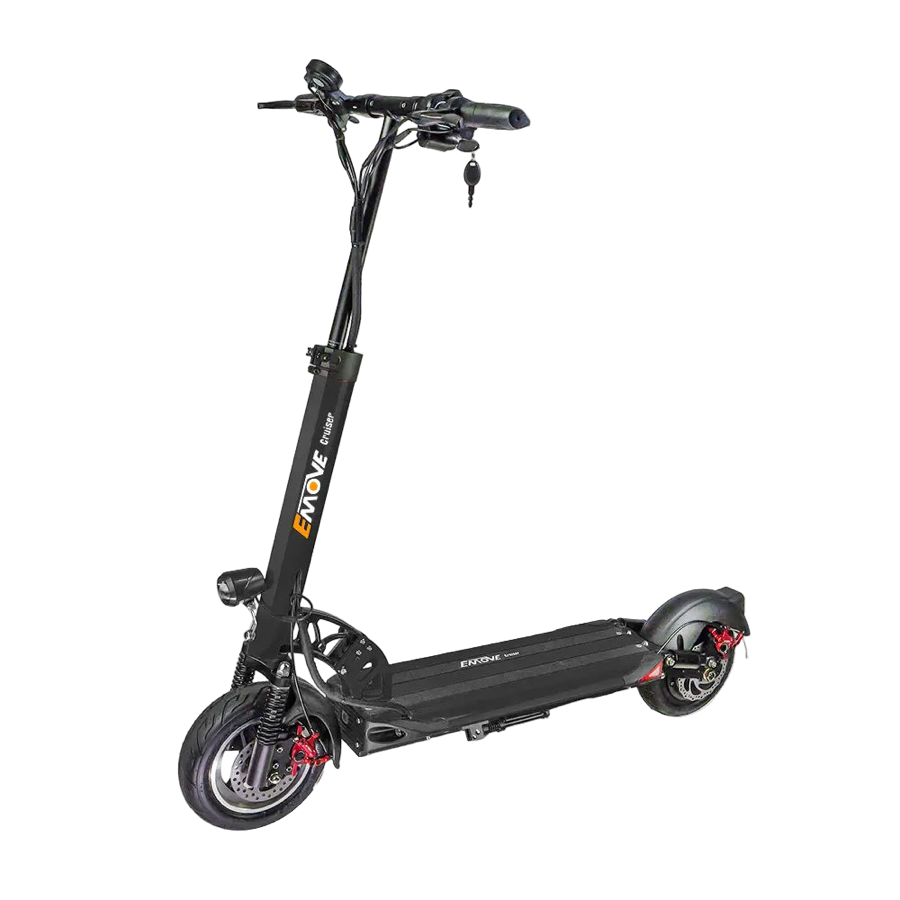 Voro Motors EMOVE CruiserKick Scooter | $1,199 | $652 | $0.034/mi | 50 mi | 25 mph | 1.6 kWh | 58.8 V | GX16 aviation plug | Direct DC | 2.00 kW | 400 W | 1.9 yr |
 EMOVE RoadRunner V3E-Moto (>750W) | $1,695 | $525 | $0.041/mi | 50 mi | 34 mph | 1.1 kWh | 54.6 V | XLR 3-pin | Direct DC | 0.80 kW | 280 W | 1.5 yr |
 Aventura-X EV30DOT Moped / Moto | $4,995 | $652 | $0.104/mi | 70 mi | 50 mph | 2.9 kWh | 84 V | GX16 aviation plugadapter | Direct DC | 2.00 kW | 400 W | 1.6 yr |
| Power station6charged through the vehicle's own mains charger from a station's AC outlet | ||||||||||||
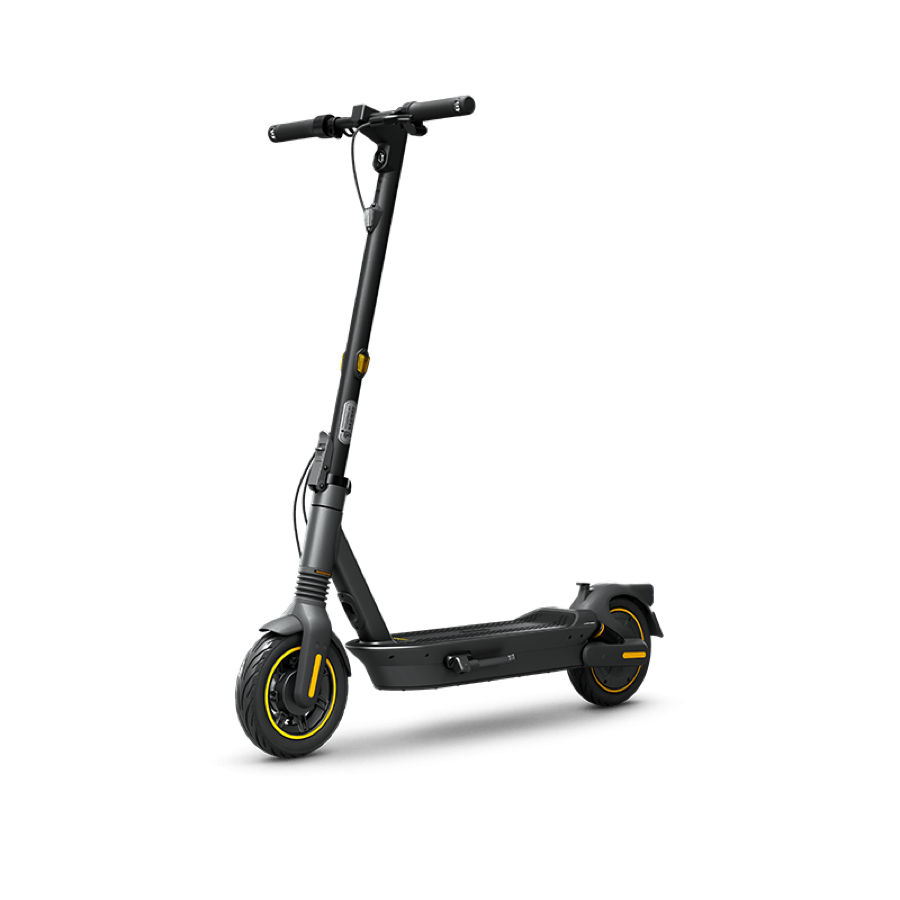 Segway Ninebot KickScooter Max G2Kick Scooter | $630 | $657 | $0.024/mi | 28 mi | 20 mph | 0.6 kWh | 42 V | Built-in AC charger (mains inlet, no DC port) | Power station | 0.80 kW | 140 W | — |
 NIU KQi 300XKick Scooter | $899 | $657 | $0.029/mi | 37 mi | 20 mph | 0.6 kWh | 54.6 V | NIU KQi charge portadapter | Power station | 0.80 kW | 140 W | — |
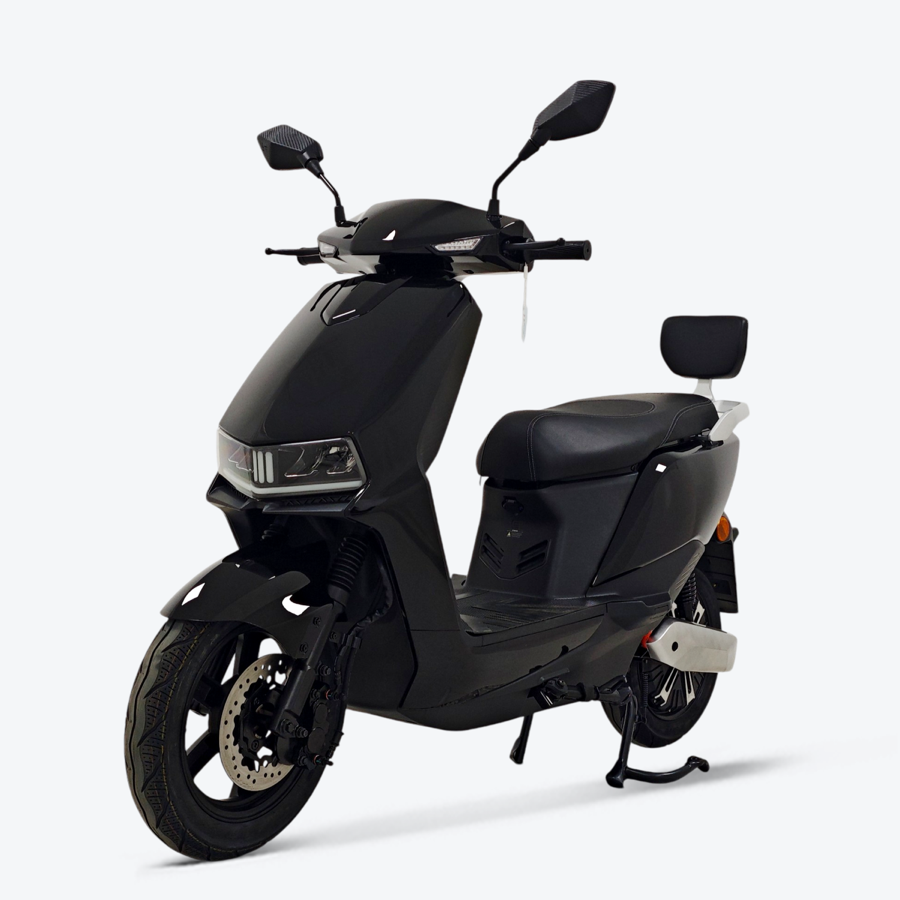 HMP Lightning 3000DOT Moped / Moto | $2,999 | $1,416 | $0.081/mi | 60 mi | 40 mph | 2.2 kWh | 81.2 V | — | Power station | 2.00 kW | 600 W | — |
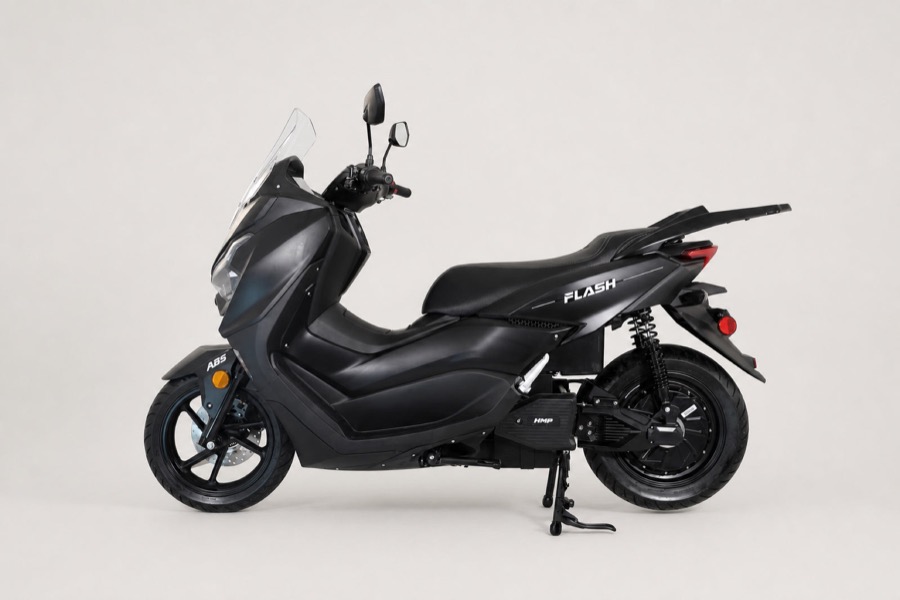 HMP FlashDOT Moped / Moto | $5,999 | $3,606 | $0.176/mi | 70 mi | 75 mph | 6.7 kWh | — | J1772 (AC) | Power station | 2.00 kW | 1200 W | — |
| Vespa ElettricaDOT Moped / Moto | $7,599 | $3,511 | $0.204/mi | 62 mi | 43 mph | 4.2 kWh | — | Built-in AC charger (mains inlet, no DC port) | Power station | 2.00 kW | 1120 W | — |
 BMW CE 04DOT Moped / Moto | $12,195 | $3,963 | $0.297/mi | 81 mi | 75 mph | 8.9 kWh | — | Type 2 AC (J1772 in the US) | Power station | 6.00 kW | 1600 W | — |
Two ways to charge from the sun
Every model on this page can be charged from a solar panel. What differs is the route, and the route is the table's two groups:
- Direct DC — the charge port is a DC input, so an MPPT controller feeds it straight from the panels. No inverter, no mains charger in the way: about 95% of what the array makes reaches the battery, so the kit is smaller and cheaper and pays back sooner.
- Power station — there is no DC port a kit can reach (a built-in charger, a car-style inlet, a proprietary handshake), so the array charges a power station and the station's AC outlet runs the mains charger the vehicle came with. It costs more and loses about 30% of the array's output in the two conversions, but it works on every light EV ever made.
What the Port column adds
The port column is a note on the DC route, not a verdict on whether the vehicle can use solar:
- Two-wire — A plain two-wire DC charge port, with a sourced voltage: an MPPT kit feeds it directly.
- Needs adapter — The port is a DC input with a third contact that may be a data or enable line, so a plain two-wire feed may be refused. A purpose-built adapter is required and we have not bench-tested one.
- Port identified — The connector family is named, but something else is missing — usually a sourced charge voltage — so we will not size a controller for it.
- No DC port — A built-in charger, a car-style inlet or a proprietary handshake: there is no two-wire DC input a kit can reach. The power station is the route.
- Not researched — We have not identified this port yet, so we do not claim a DC kit fits it. The power station route still works.
Port still to be confirmed: HMP Lightning 3000. Their power-station route works today; we would rather say that than publish a DC kit that might not fit.
If you already own one of these
The kit for a specific model — panel count, controller, cable gauge and the port notes — is on that model's page. If your vehicle is not researched yet, the builder will still size a generic kit and tell you which port check to do first.
Questions
Can you charge an electric scooter with a solar panel?
Yes — every scooter here. If its charge port is a plain two-wire DC connection, a solar kit feeds DC into the same port the scooter's own charger uses, and the scooter's battery management system still runs the charge. If the scooter has a built-in charger (the Segway Ninebot Max G2), a car-style inlet (the BMW CE 04) or a data handshake, a power station's AC outlet runs the charger the scooter came with.
Why are kick scooters and 50 mph mopeds on the same list?
Because in the US both are sold as an 'electric scooter', and a buyer searching that phrase means either. A stand-up kick scooter (Segway Ninebot Max G2, NIU KQi 300X, EMOVE Cruiser) and a sit-down moped (BMW CE 04, Vespa Elettrica, HMP Flash) are on the same page with the same solar column, and the class is stated on each model's page.
How many watts of solar does an electric scooter need?
It follows the battery, not the word 'scooter'. For a 30 mi (48 km) day a light kick scooter lands on a small panel, and a 120 km/h maxi scooter needs several times that. The Panel column is the array the planner specifies at that scooter's own consumption for the reference day — not a recommendation to buy the biggest panel.
What does 'power station' mean in the solar column?
It means the scooter charges from the sun through a solar power station rather than through a DC kit: panels into the station's PV input, the station's AC outlet into the scooter's own charger. The Power station column is the smallest station that meets that charger's draw for the reference day. It costs more than a DC kit and loses about 30% of the array's energy in the two conversions, and it is the route every built-in-charger scooter has.
Why do some rows show a dash instead of a price?
Because we have no price for that model quoted in this market's currency, and a converted guess is worse than a dash. A dash in the Solar Kit Price column means no kit for that row's route is fully priced yet — a part in it has no offer in this currency.