Best for Solar Charging in Indonesia
Country Indonesia

Find the best solar-chargeable e-bike for you. Reduce polution while saving money compared to gas. Each EV below can be fueled for free from the sun.
- Direct DC charge
- Power station
15 of 15 models plotted. A name is printed where there is room and on hover everywhere else. The best value sits top left.
| Vehicle | Purchase price | Range |
|---|---|---|
| Genio Attura FL2 | Rp 3,799,000 | 40 km |
| Viar V3 | Rp 3,825,000 | 60 km |
| Pacific Veloce V3 | Rp 3,700,000 | 40 km |
| Exotic Cooltech AX | Rp 3,890,000 | 40 km |
| Selis Gemini | Rp 4,095,000 | 40 km |
| Selis Saige Lite | Rp 3,780,000 | 35 km |
| Uwinfly D75 | Rp 4,199,000 | 55 km |
| Uwinfly D66A | Rp 4,850,000 | 42 km |
| Goda 001 | Rp 5,287,000 | 45 km |
| Uwinfly D66B | Rp 6,300,000 | 42 km |
| Pacific Nimbuzz | Rp 6,240,000 | 60 km |
| Yadea DE3 | Rp 6,500,000 | 70 km |
| Polygon Gili Velo | Rp 8,167,000 | 60 km |
| United Espana V1 | Rp 5,499,000 | 45 km |
| Uwinfly N9 Pro | Rp 7,879,000 | 60 km |
| Port | Solar | |||||||||||
|---|---|---|---|---|---|---|---|---|---|---|---|---|
| Direct DC charge13the charge port is a DC input — an MPPT kit feeds the pack with no inverter | ||||||||||||
 Genio Attura FL2 | Rp 3,799,000 | Rp 2,660,882 | Rp 111/km | 40 km | 25 km/h | 0.6 kWh | 59.3 V | 3-pin trapezium socket (品字 / T-type e-bike inlet)adapter | Direct DC | 1.00 kW | 150 W | 1.3 yr |
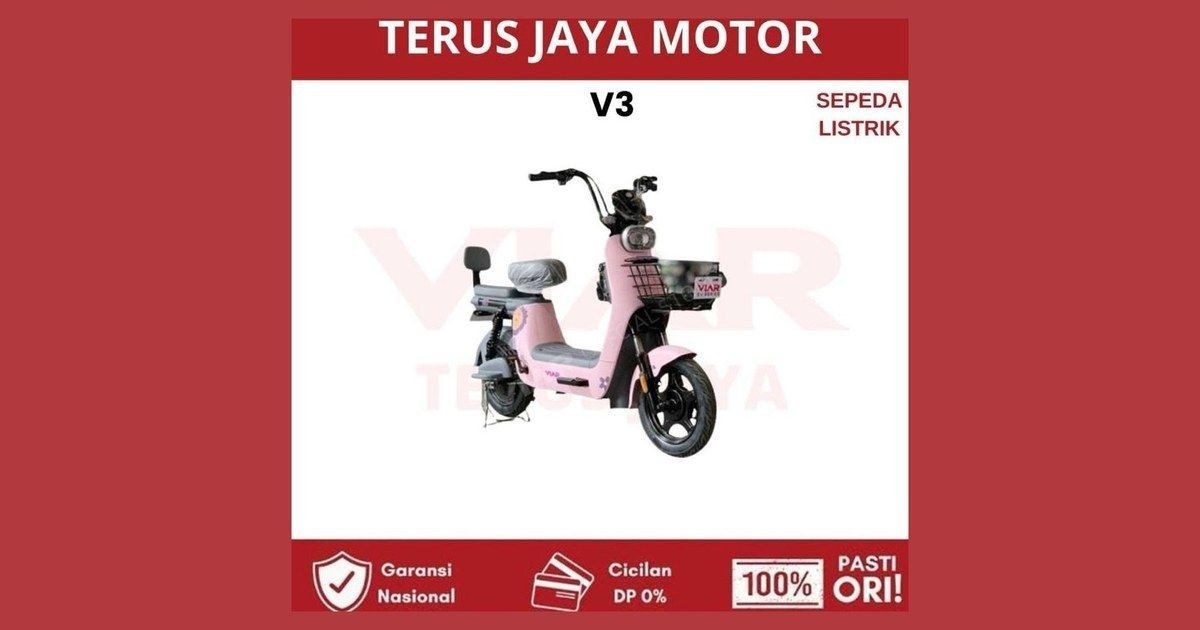 Viar V3 | Rp 3,825,000 | Rp 2,645,220 | Rp 111/km | 60 km | 25 km/h | 0.6 kWh | 59 V | 3-pin trapezium socket (品字 / T-type e-bike inlet)adapter | Direct DC | 0.50 kW | 100 W | 1.3 yr |
 Pacific Veloce V3 | Rp 3,700,000 | Rp 3,020,662 | Rp 115/km | 40 km | 25 km/h | 0.6 kWh | 59.3 V | 3-pin trapezium socket (品字 / T-type e-bike inlet)adapter | Direct DC | 1.00 kW | 150 W | 1.5 yr |
 Exotic Cooltech AX | Rp 3,890,000 | Rp 3,020,662 | Rp 118/km | 40 km | 25 km/h | 0.6 kWh | 59.3 V | 3-pin trapezium socket (品字 / T-type e-bike inlet)adapter | Direct DC | 1.00 kW | 150 W | 1.5 yr |
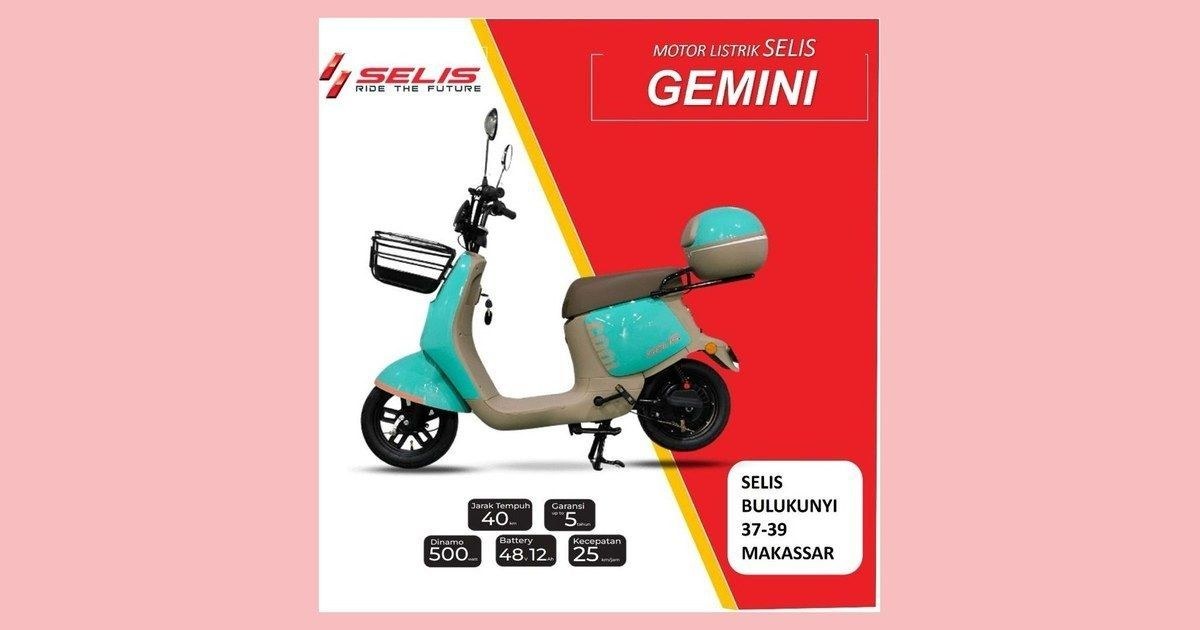 Selis Gemini | Rp 4,095,000 | Rp 3,020,662 | Rp 122/km | 40 km | 40 km/h | 0.6 kWh | — | 3-pin trapezium socket (品字 / T-type e-bike inlet)adapter | Direct DC | — | 150 W | 1.5 yr |
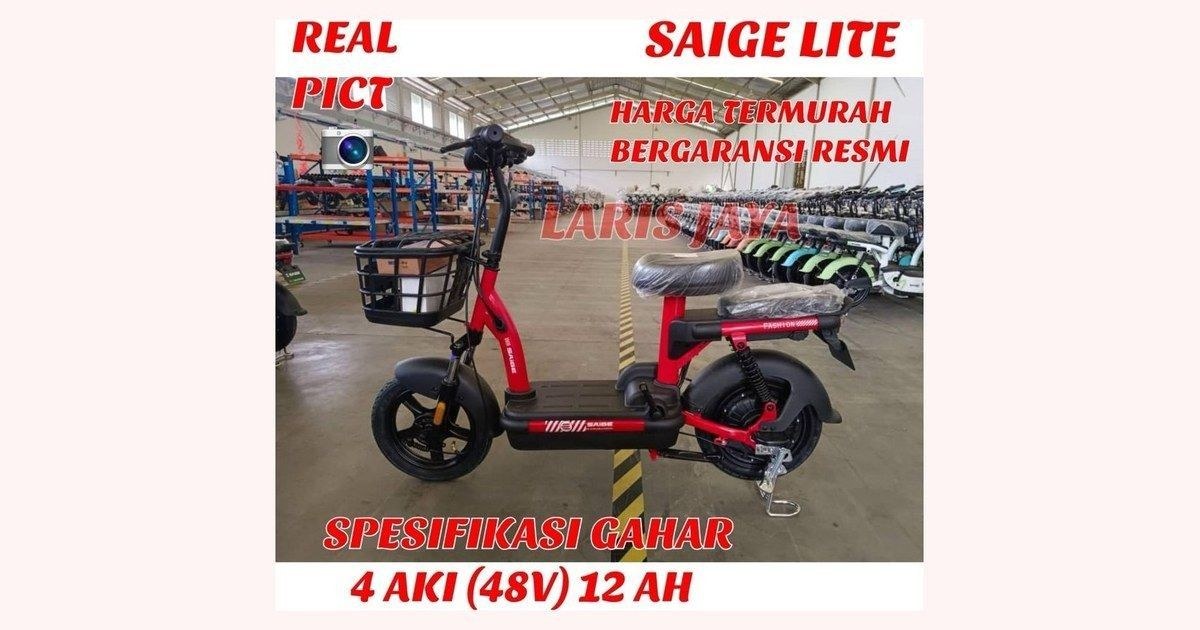 Selis Saige Lite | Rp 3,780,000 | Rp 3,394,782 | Rp 123/km | 35 km | 30 km/h | 0.6 kWh | — | 3-pin trapezium socket (品字 / T-type e-bike inlet)adapter | Direct DC | — | 200 W | 1.7 yr |
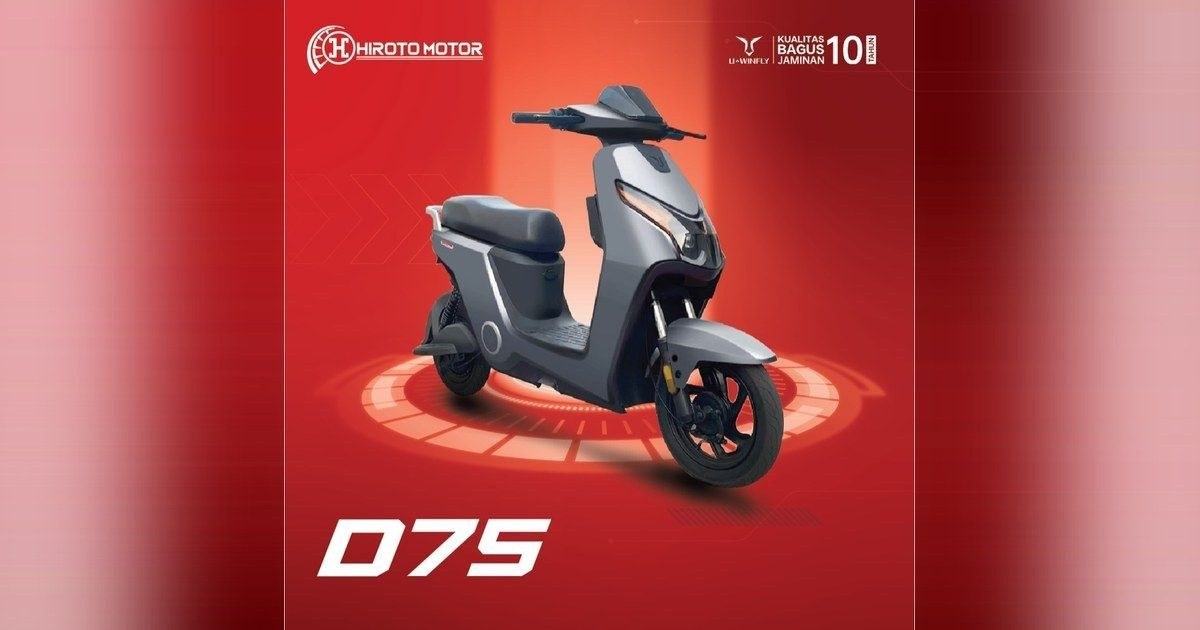 Uwinfly D75 | Rp 4,199,000 | Rp 3,020,662 | Rp 124/km | 55 km | 33 km/h | 0.6 kWh | 59.3 V | 3-pin trapezium socket (品字 / T-type e-bike inlet)adapter | Direct DC | 0.50 kW | 150 W | 1.5 yr |
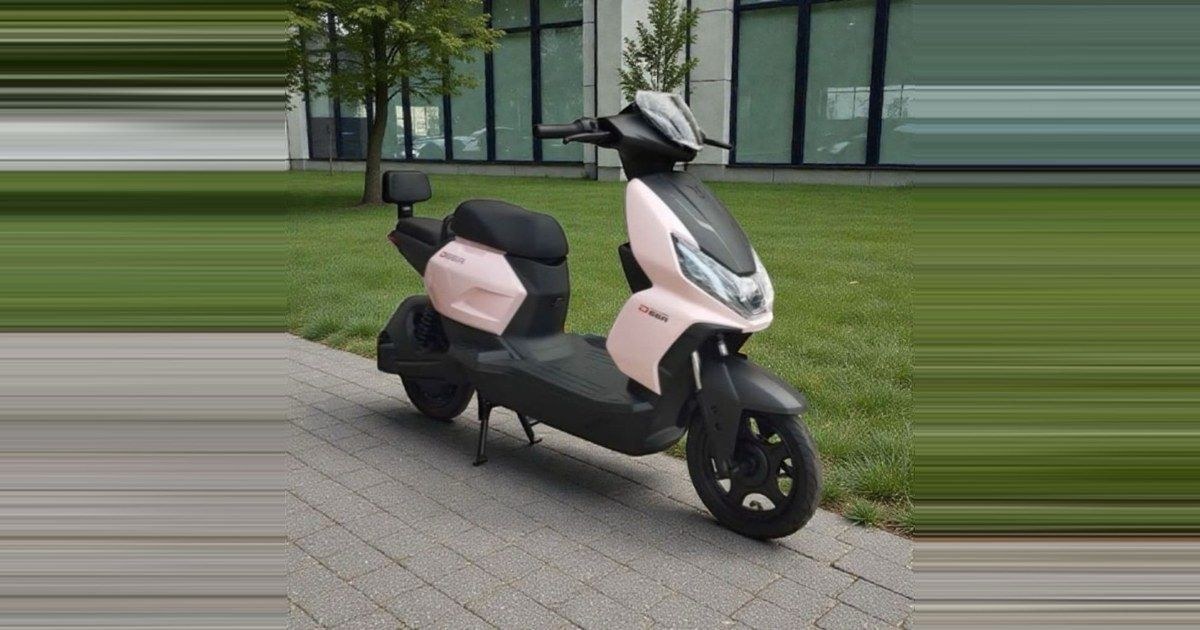 Uwinfly D66A | Rp 4,850,000 | Rp 3,020,662 | Rp 135/km | 42 km | 33 km/h | 0.6 kWh | 59.3 V | 3-pin trapezium socket (品字 / T-type e-bike inlet)adapter | Direct DC | 0.50 kW | 150 W | 1.5 yr |
 Goda 001 | Rp 5,287,000 | Rp 3,020,662 | Rp 142/km | 45 km | 40 km/h | 0.6 kWh | 59.3 V | 3-pin trapezium socket (品字 / T-type e-bike inlet)adapter | Direct DC | 0.50 kW | 150 W | 1.5 yr |
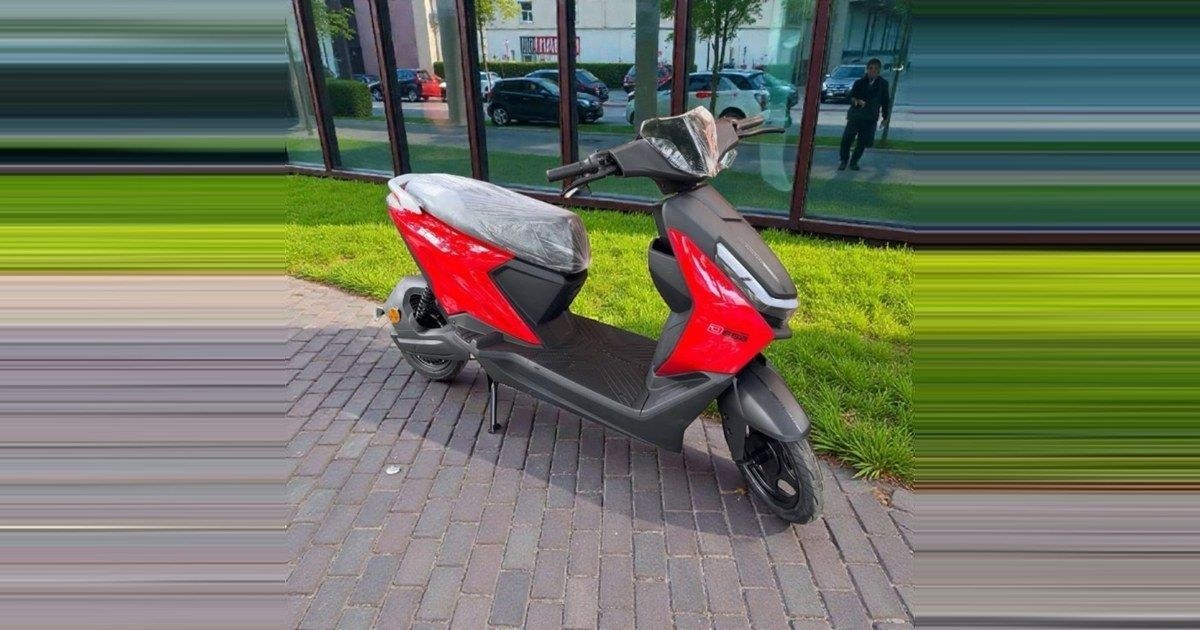 Uwinfly D66B | Rp 6,300,000 | Rp 3,020,662 | Rp 160/km | 42 km | 33 km/h | 0.6 kWh | 59.3 V | 3-pin trapezium socket (品字 / T-type e-bike inlet)adapter | Direct DC | 0.50 kW | 150 W | 1.5 yr |
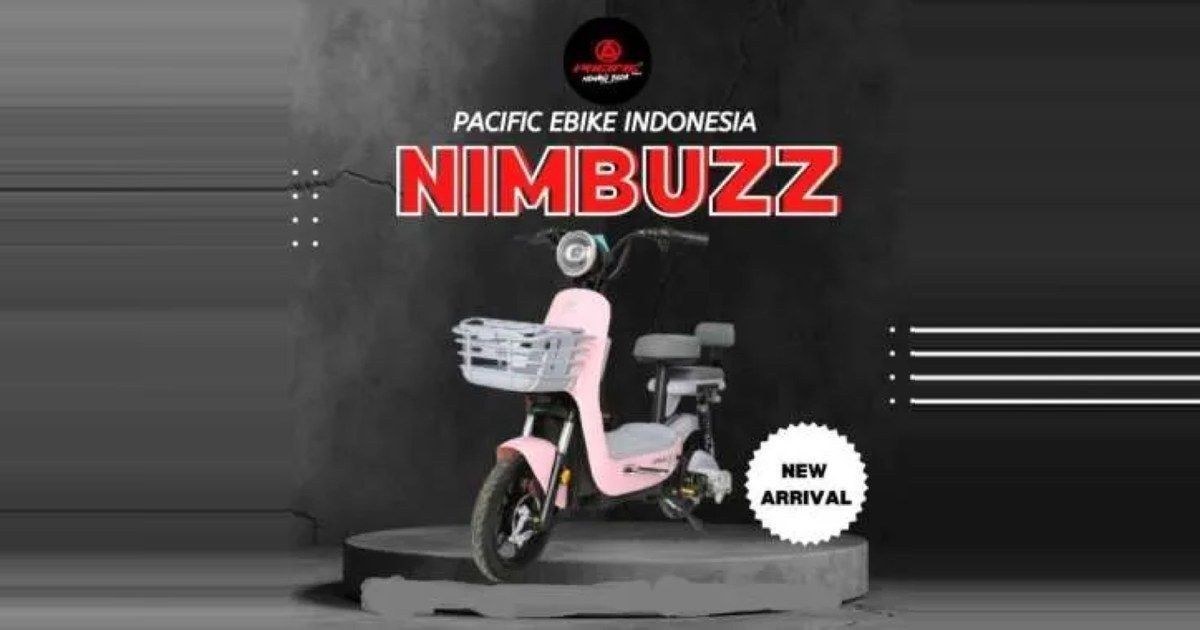 Pacific Nimbuzz | Rp 6,240,000 | Rp 3,394,782 | Rp 165/km | 60 km | 45 km/h | 1 kWh | — | 3-pin trapezium socket (品字 / T-type e-bike inlet)adapter | Direct DC | — | 200 W | 1.7 yr |
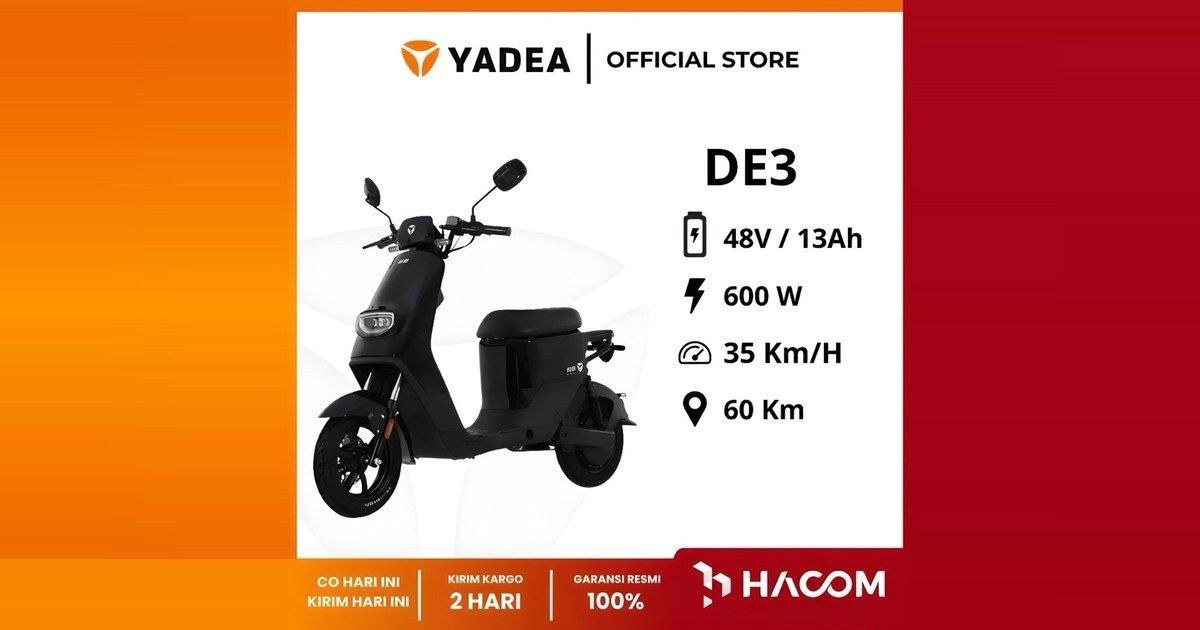 Yadea DE3 | Rp 6,500,000 | Rp 3,139,138 | Rp 165/km | 70 km | 35 km/h | 1.2 kWh | 54.6 V | 3-pin XLR (cannon)adapter | Direct DC | 1.00 kW | 200 W | 1.6 yr |
 Polygon Gili Velo | Rp 8,167,000 | Rp 2,285,440 | Rp 179/km | 60 km | 25 km/h | 0.4 kWh | 42 V | DC 5.5 × 2.1 mm barrel (DC5521) | Direct DC | 0.30 kW | 100 W | 1.1 yr |
| Power station2charged through the vehicle's own mains charger from a station's AC outlet | ||||||||||||
 United Espana V1 | Rp 5,499,000 | — | — | 45 km | 39 km/h | 0.7 kWh | 54.6 V | — | Power station | — | 250 W | — |
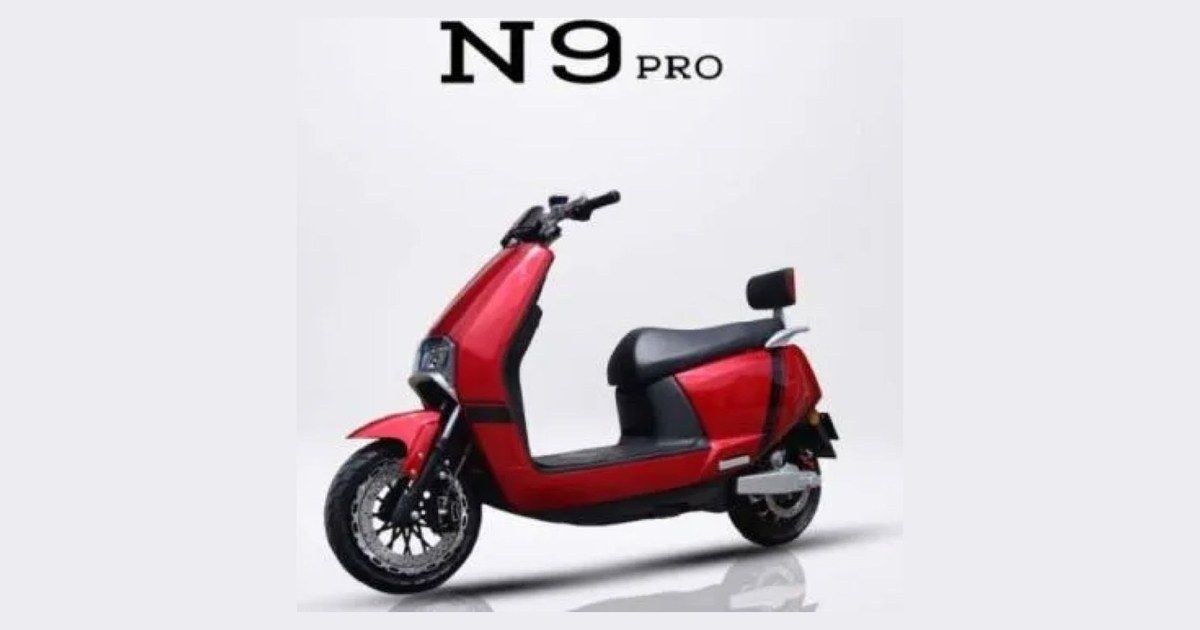 Uwinfly N9 Pro | Rp 7,879,000 | — | — | 60 km | 60 km/h | 2.3 kWh | — | — | Power station | — | 550 W | — |
Two ways to charge from the sun
Every model on this page can be charged from a solar panel. What differs is the route, and the route is the table's two groups:
- Direct DC — the charge port is a DC input, so an MPPT controller feeds it straight from the panels. No inverter, no mains charger in the way: about 95% of what the array makes reaches the battery, so the kit is smaller and cheaper and pays back sooner.
- Power station — there is no DC port a kit can reach (a built-in charger, a car-style inlet, a proprietary handshake), so the array charges a power station and the station's AC outlet runs the mains charger the vehicle came with. It costs more and loses about 30% of the array's output in the two conversions, but it works on every light EV ever made.
What the Port column adds
The port column is a note on the DC route, not a verdict on whether the vehicle can use solar:
- Two-wire — A plain two-wire DC charge port, with a sourced voltage: an MPPT kit feeds it directly.
- Needs adapter — The port is a DC input with a third contact that may be a data or enable line, so a plain two-wire feed may be refused. A purpose-built adapter is required and we have not bench-tested one.
- Port identified — The connector family is named, but something else is missing — usually a sourced charge voltage — so we will not size a controller for it.
- No DC port — A built-in charger, a car-style inlet or a proprietary handshake: there is no two-wire DC input a kit can reach. The power station is the route.
- Not researched — We have not identified this port yet, so we do not claim a DC kit fits it. The power station route still works.
Port still to be confirmed: United Espana V1, Uwinfly N9 Pro. Their power-station route works today; we would rather say that than publish a DC kit that might not fit.
If you already own one of these
The kit for a specific model — panel count, controller, cable gauge and the port notes — is on that model's page. If your vehicle is not researched yet, the builder will still size a generic kit and tell you which port check to do first.
Questions
Can you charge an electric bike with a solar panel?
Yes — every e-bike here, two different ways. If the charge port is a plain two-wire DC input, a solar kit feeds it directly: panels into an MPPT controller, the controller into the port the OEM charger uses, and the bike's own battery management system still runs the charge. If the port is proprietary, a built-in charger or a CAN handshake, the bike charges from a solar power station instead: panels into the station's PV input, the station's AC outlet into the mains charger the bike came with.
How many watts of solar does an e-bike need?
For a 32 km (19.9 mi) day, most 48 V commuters land on a 100 W panel; the heavier and faster the bike, the larger the array. The Panel column is the array the planner specifies for that reference day at that bike's own consumption — it is not a recommendation to buy the biggest panel.
Why does the port column say 'needs adapter'?
Most of the market uses the same three-pin 'trapesium' charge socket. The third contact's function is not documented by the makers, so a plain two-wire feed may be refused and we call the port adapter-required rather than 2-wire — our own pigtail mates that socket. It is a note on the DC route; the bike still charges from a power station today.
Is a power station worse than a DC kit?
It costs more and loses more energy: the station adds an inverter and the bike's own charger, so about 30% of the array's output is lost on the way to the battery. Where the DC route builds, it is the cheaper answer. Where it does not, the station is the difference between charging from the sun and not.