Best Electric Bikes for Solar Charging
Every e-bike here is sold in the US and has a recorded charge voltage. The last four columns are the ones that decide whether you can charge it from a panel: the charge voltage, the port, whether we have verified it, and what a 200 W kit costs for a 31.7 mi (51 km) day.
34 models. 14 have a charge port we can verify today, the cheapest being the Lectric XP Lite 3 at $799. 10 more have a named connector family but not yet a sourced voltage. 7 have a 3-pin port, so they need a purpose-built adapter before a two-wire kit will charge them. 3 cannot be fed by a two-wire source at all.
Ordered by price, cheapest first. Prices checked 2026-11-06. Every kit figure is computed by the same planner behind the kit builder for a 31.7 mi (51 km) day. We publish no rating, no review score and no “best-selling” claim — we do not have that data.
| Bike | Price | Range | Top speed | Battery | Charge V | Port | Solar | AC path | Panel | Kit | Payback |
|---|---|---|---|---|---|---|---|---|---|---|---|
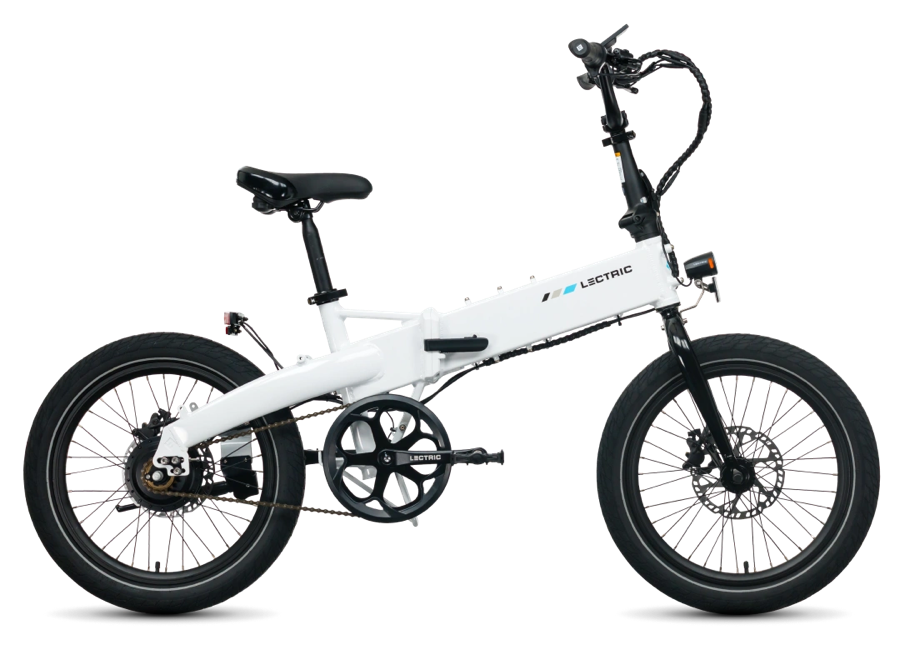 Lectric XP Lite 3 | $799 | 45 mi | 20 mph | 0.4 kWh | 54.6 V | DC 5.5 x 2.1 mm barrel (DC5521) | Verified | 0.15 kW | 100 W | $340 | 0.9 yr |
 Ride1Up Portola 02 | $995 | 60 mi | 28 mph | 0.7 kWh | 54.6 V | DC 5.5 x 2.1 mm barrel (DC5521) | Verified | 0.15 kW | 140 W | $380 | 1.1 yr |
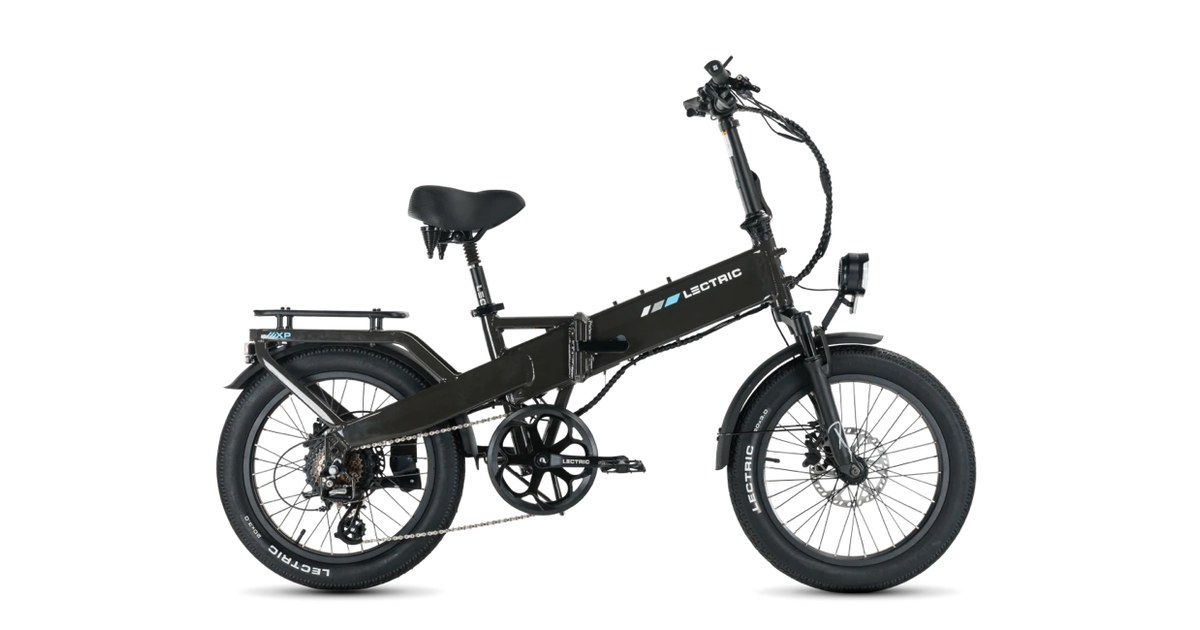 Lectric XP4 | $999 | 50 mi | 28 mph | 0.5 kWh | 54.6 V | Junlei 3015 3-pin | Needs adapter | 0.15 kW | 140 W | $390 | 1.1 yr |
| Bosch PowerTube 500 | $1,000 | 50 mi | 16 mph | 0.5 kWh | 42 V | Bosch eBike charging socket | Not feedable | 0.25 kW | 140 W | $455 | 1.3 yr |
 Heybike Mars 3.0 | $1,099 | 65 mi | — | 0.6 kWh | 54.6 V | DC 5.5 x 2.5 mm barrel (DC5525) | Verified | 0.15 kW | 140 W | $380 | 1 yr |
| Bosch PowerTube 750 | $1,316 | 68 mi | 16 mph | 0.8 kWh | 42 V | Bosch eBike charging socket | Not feedable | 0.25 kW | 140 W | $455 | 1.3 yr |
 Heybike Titan | $1,399 | 40 mi | 20 mph | 0.7 kWh | 54.6 V | DC 5.5 x 2.1 mm barrel (DC5521) | Verified | 0.25 kW | 200 W | $439 | 1.2 yr |
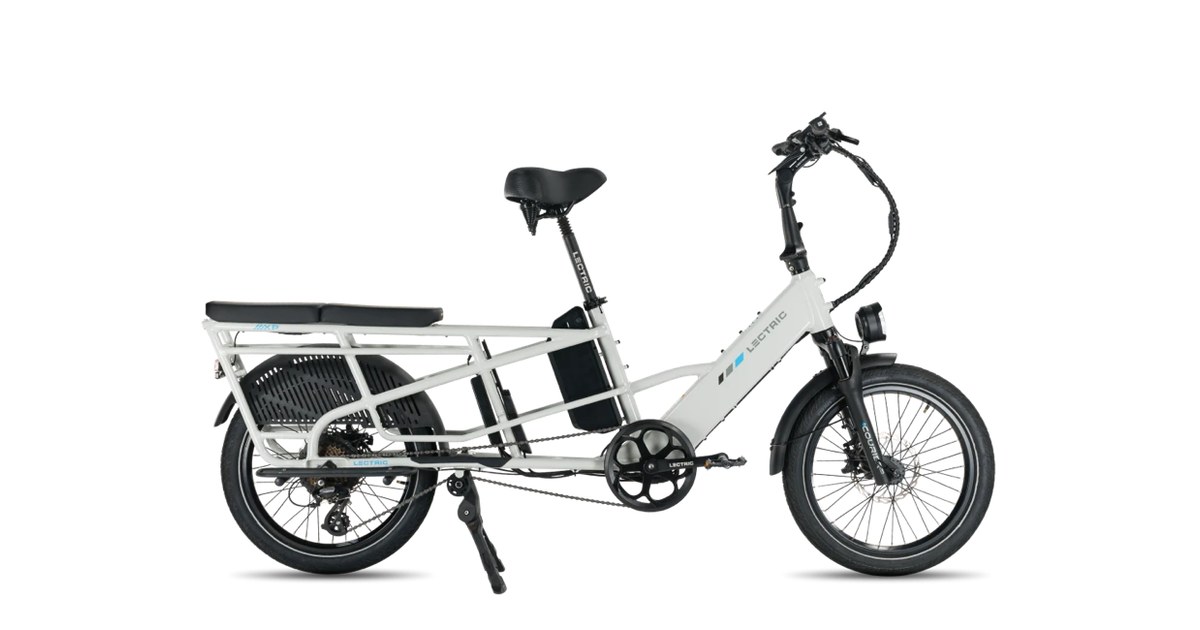 Lectric XPedition 2.0 | $1,399 | 60 mi | 28 mph | 0.6 kWh | 54.6 V | Junlei 3015 3-pin | Needs adapter | 0.15 kW | 140 W | $390 | 1.1 yr |
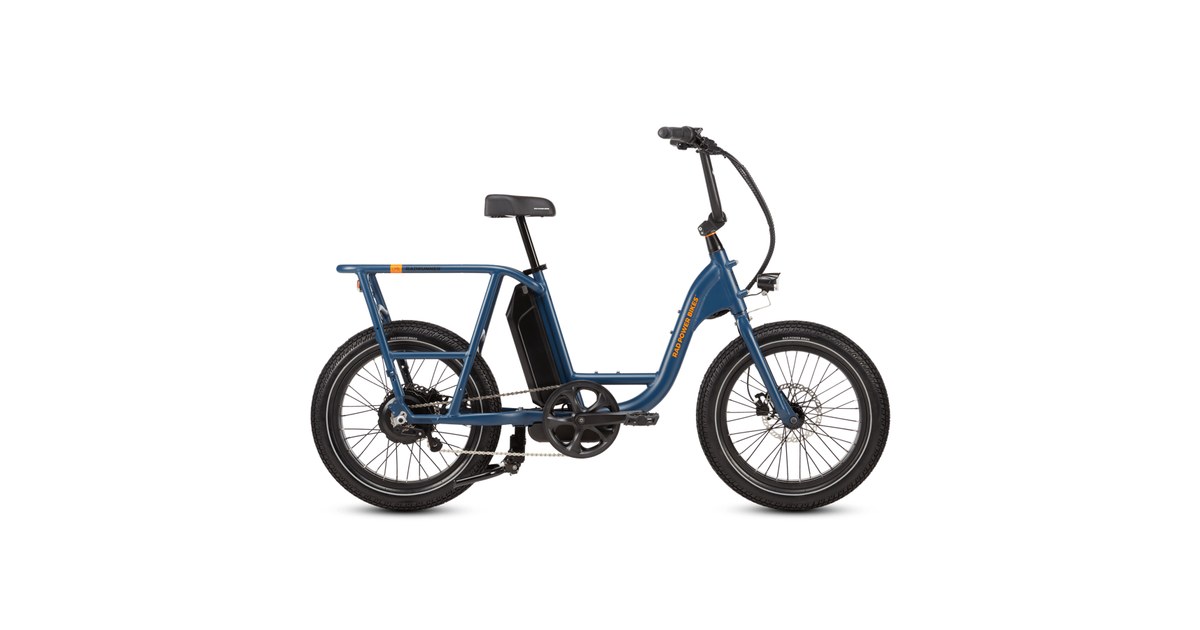 Rad Power RadRunner | $1,499 | 55 mi | 20 mph | 0.6 kWh | 54.6 V | DC 5.5 x 2.1 mm barrel (DC5521) | Verified | 0.15 kW | 140 W | $380 | 1.1 yr |
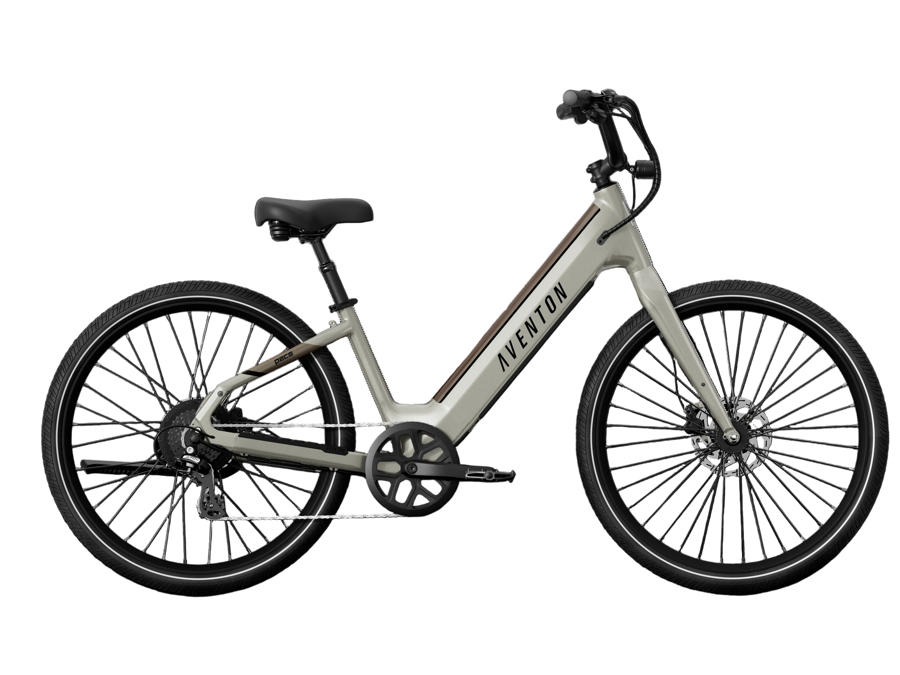 Aventon Pace 4 | $1,599 | 70 mi | 28 mph | 0.7 kWh | 42 V | Aventon 2025 36 V platform charge port (connector unconfirmed) | Port identified | 0.25 kW | 140 W | $455 | 1.3 yr |
| Heybike Titan Dual Battery | $1,699 | 80 mi | 20 mph | 1.4 kWh | 54.6 V | DC 5.5 x 2.1 mm barrel (DC5521) | Verified | 0.25 kW | 200 W | $439 | 1.2 yr |
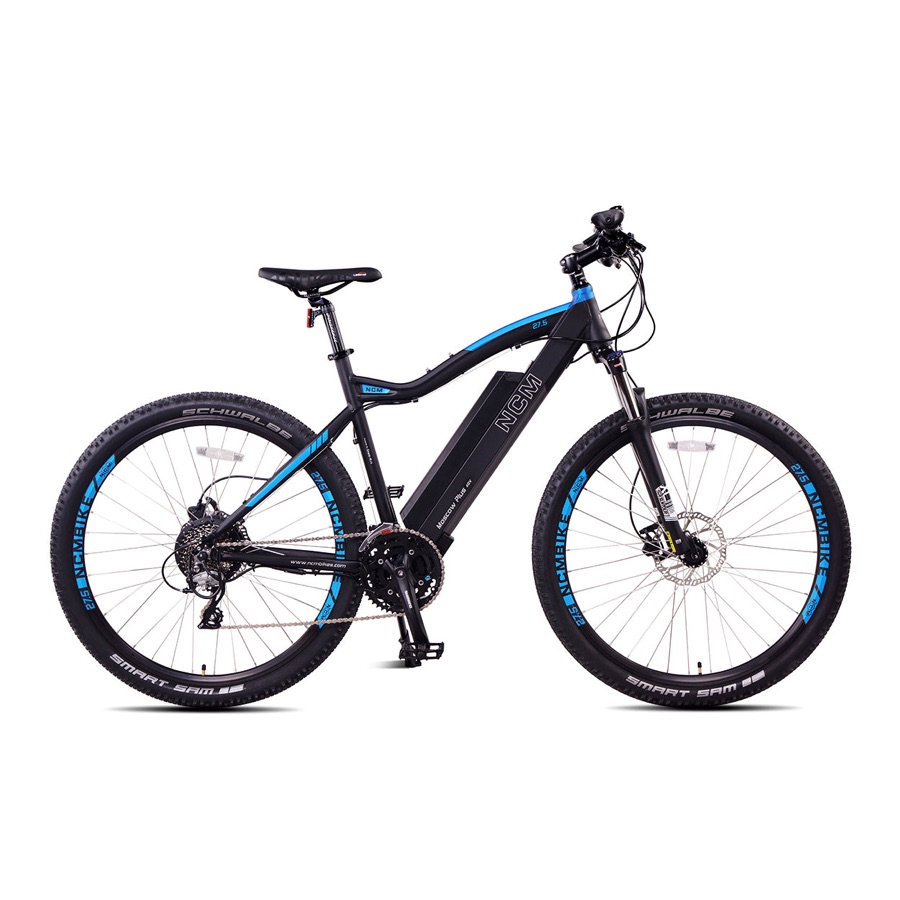 NCM Moscow Plus | $1,699 | 50 mi | 20 mph | 0.8 kWh | 54.6 V | NCM charge port | Port identified | 0.20 kW | 200 W | $431 | 1.2 yr |
 Aventon Aventure 3 | $1,799 | 65 mi | 20 mph | 0.7 kWh | 42 V | Aventon 2025 36 V platform charge port (connector unconfirmed) | Port identified | 0.25 kW | 140 W | $455 | 1.3 yr |
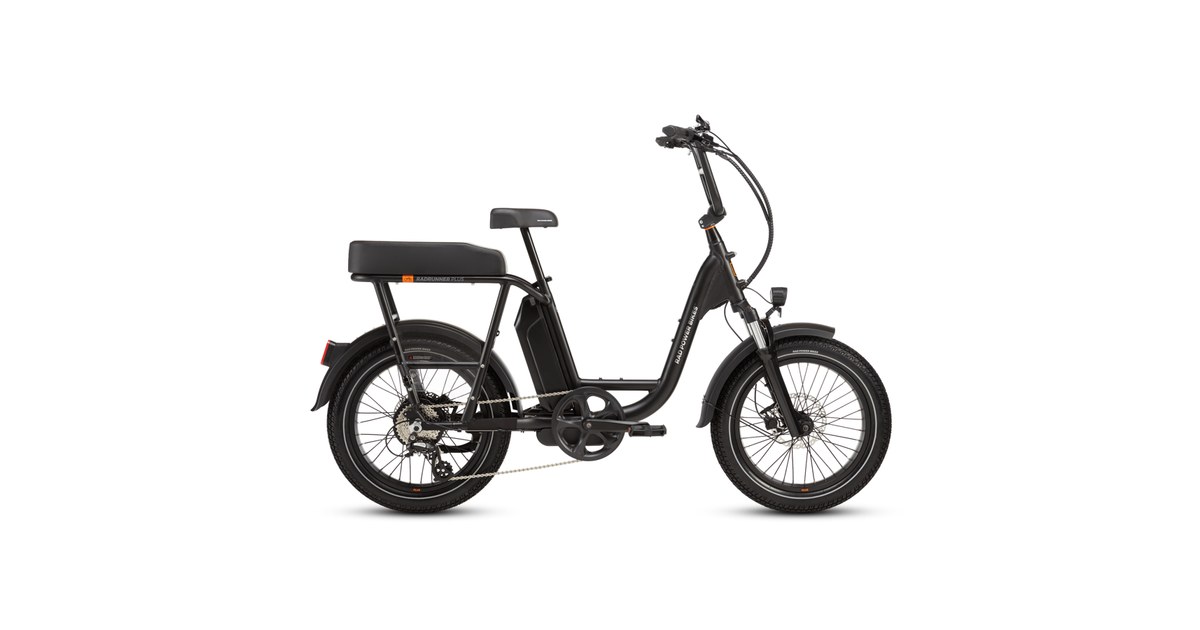 Rad Power RadRunner Plus | $1,799 | 55 mi | 20 mph | 0.6 kWh | 54.6 V | DC 5.5 x 2.1 mm barrel (DC5521) | Verified | 0.15 kW | 140 W | $380 | 1.1 yr |
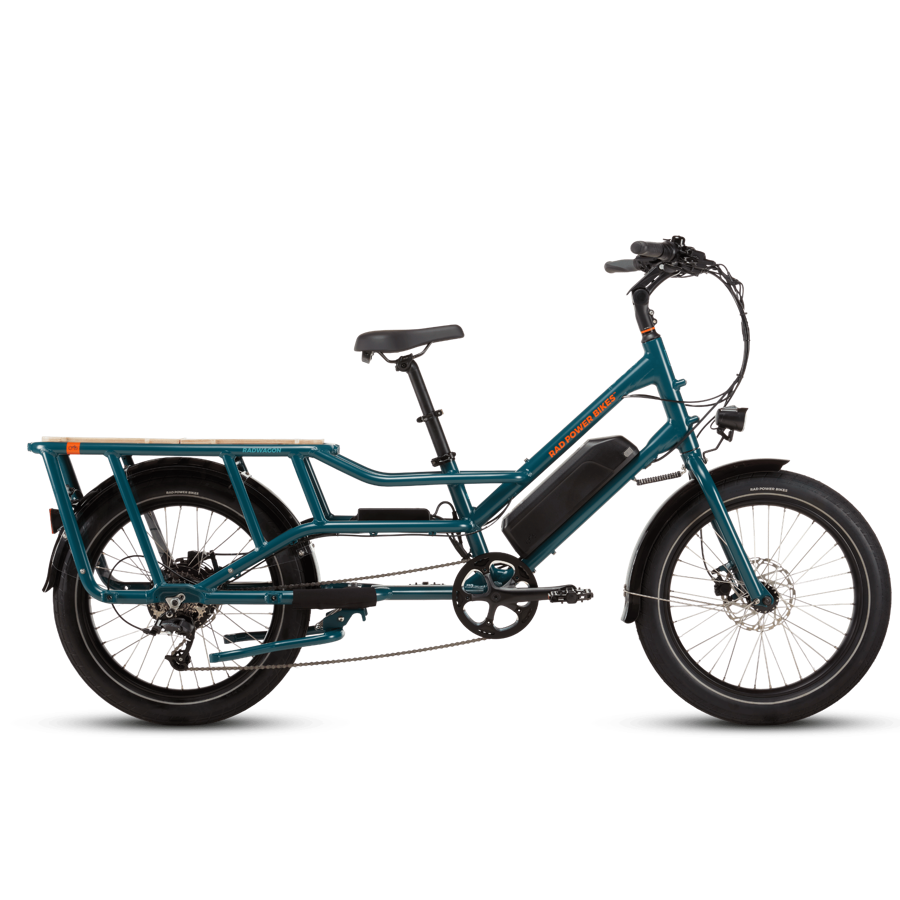 Rad Power RadWagon 4 | $1,799 | 60 mi | 20 mph | 0.7 kWh | 54.6 V | DC 5.5 x 2.1 mm barrel (DC5521) | Verified | 0.15 kW | 140 W | $380 | 1.1 yr |
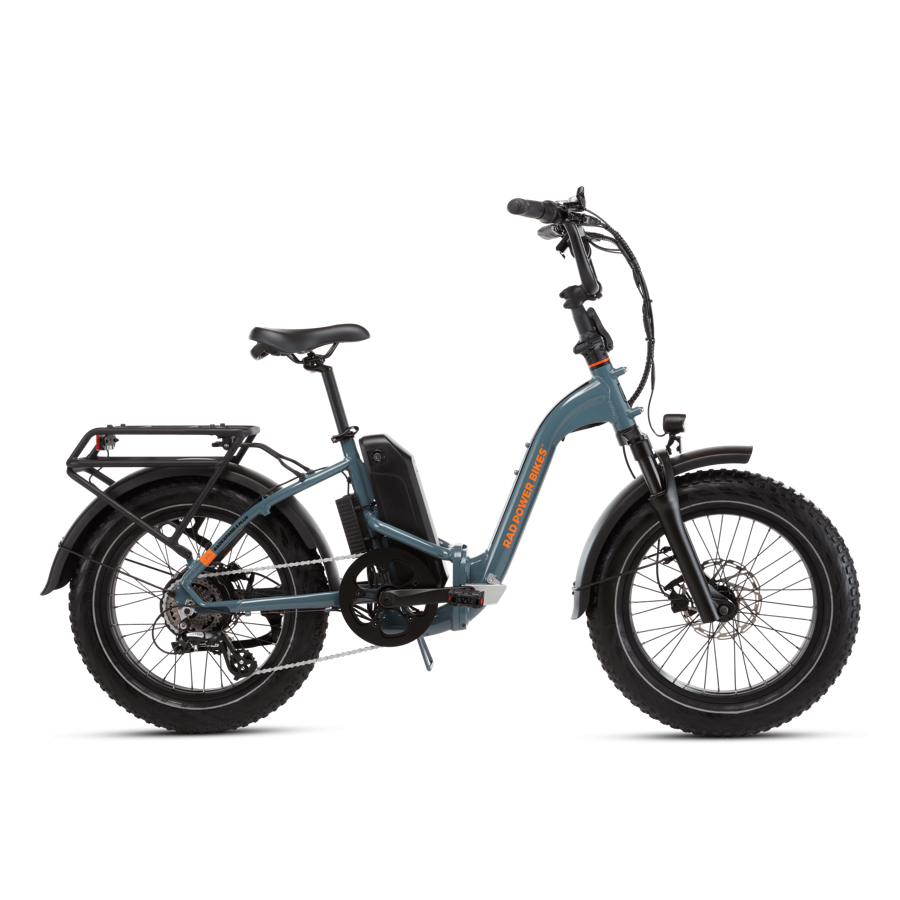 Rad Power RadExpand 5 Plus | $1,899 | 60 mi | 20 mph | 0.7 kWh | 54.6 V | DC 5.5 x 2.1 mm barrel (DC5521) | Verified | 0.15 kW | 140 W | $380 | 1.1 yr |
 QuietKat Ranger XR | $1,999 | 48 mi | 20 mph | 0.6 kWh | 54.6 V | Julet 3-pin | Needs adapter | 0.15 kW | 140 W | $372 | 1 yr |
 Rad Power Radster Road | $1,999 | 65 mi | 28 mph | 0.7 kWh | 54.6 V | DC 5.5 x 2.1 mm barrel (DC5521) | Verified | 0.15 kW | 140 W | $380 | 1.1 yr |
 Rad Power Radster Trail | $1,999 | 65 mi | 28 mph | 0.7 kWh | 54.6 V | DC 5.5 x 2.1 mm barrel (DC5521) | Verified | 0.15 kW | 140 W | $380 | 1.1 yr |
 Ride1Up Revv1 DRT | $2,095 | 60 mi | 28 mph | 1 kWh | 58.8 V | Reention 3-pin (mini XLR) | Verified | 0.30 kW | 200 W | $431 | 1.2 yr |
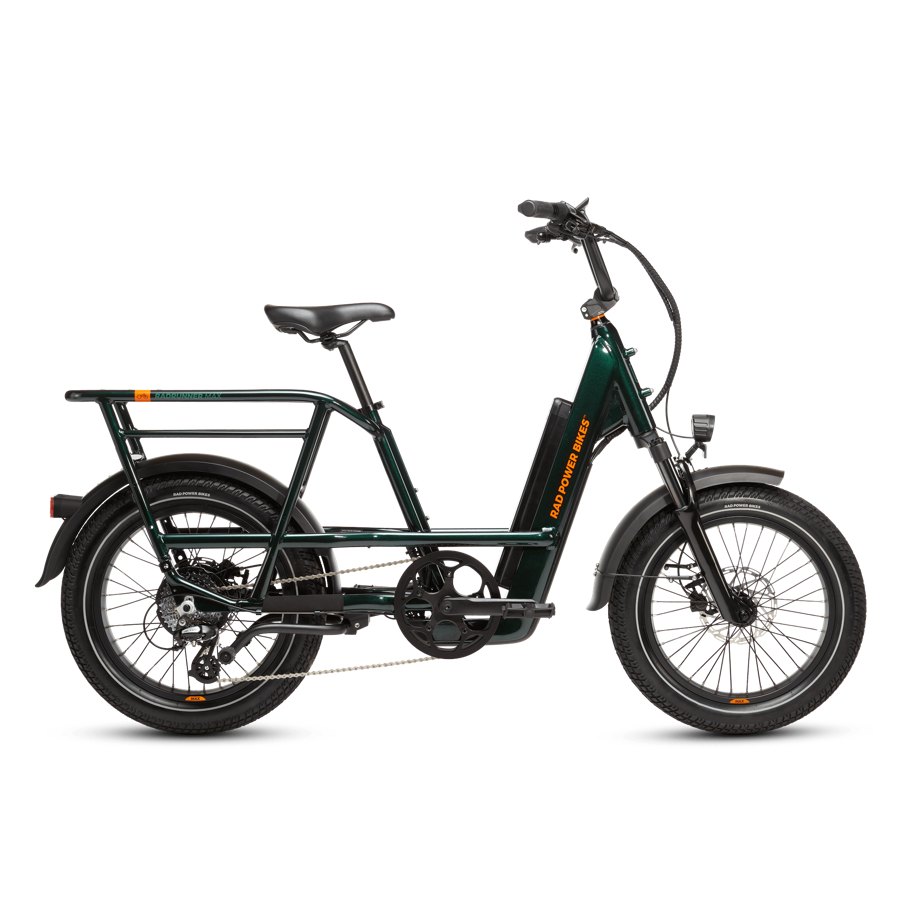 Rad Power RadRunner Max | $2,299 | 60 mi | 28 mph | 0.7 kWh | 54.6 V | DC 5.5 x 2.1 mm barrel (DC5521) | Verified | 0.15 kW | 140 W | $380 | 1.1 yr |
 Rad Power RadWagon 5 | $2,399 | 60 mi | 28 mph | 0.7 kWh | 54.6 V | DC 5.5 x 2.1 mm barrel (DC5521) | Verified | 0.15 kW | 140 W | $380 | 1.1 yr |
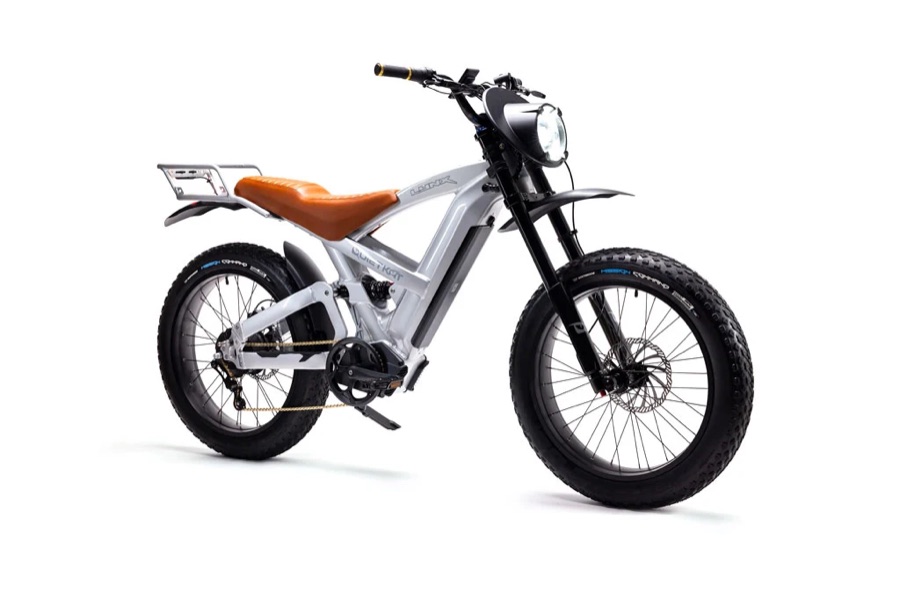 QuietKat Lynx | $2,499 | 60 mi | 28 mph | 1 kWh | 54.6 V | Julet 3-pin | Needs adapter | 0.15 kW | 200 W | $431 | 1.2 yr |
| Yamaha CrossCore RC | $3,099 | — | 28 mph | 0.5 kWh | — | Yamaha e-bike battery dock | Port identified | 0.20 kW | 100 W | $332 | 0.9 yr |
 QuietKat Apex HD | $3,249 | 90 mi | 28 mph | 1.4 kWh | 54.6 V | Julet 3-pin | Needs adapter | 0.15 kW | 200 W | $431 | 1.2 yr |
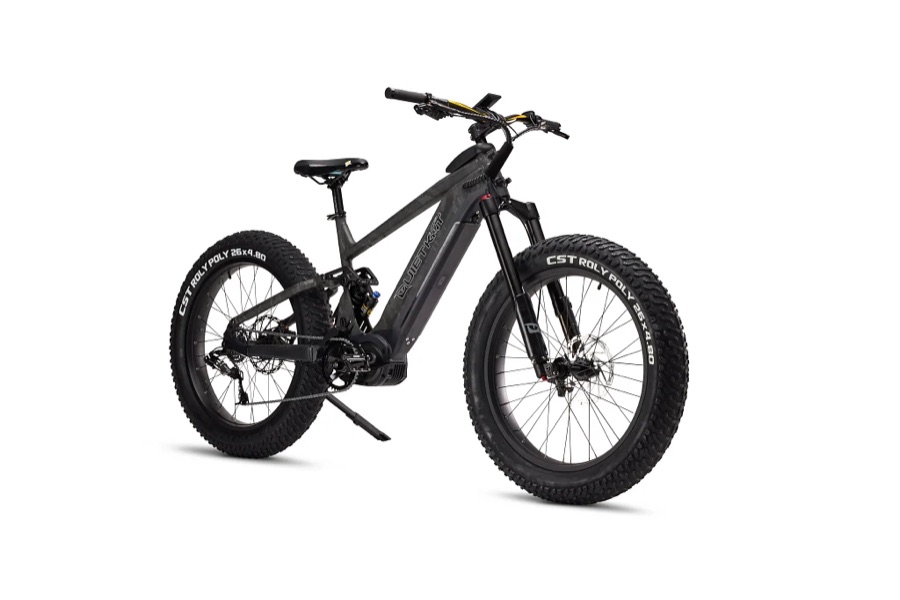 QuietKat Ibex | $3,499 | 63 mi | 28 mph | 1 kWh | 54.6 V | Julet 3-pin | Needs adapter | 0.15 kW | 200 W | $431 | 1.2 yr |
| Trek Allant+ 8 | $4,100 | 50 mi | 28 mph | 0.5 kWh | 42 V | Bosch eBike charging socket | Not feedable | 0.25 kW | 140 W | $455 | 1.3 yr |
| Yamaha Wabash RT | $4,199 | — | 28 mph | 0.5 kWh | — | Yamaha e-bike battery dock | Port identified | 0.20 kW | 100 W | $332 | 0.9 yr |
 QuietKat Apex XD | $4,249 | 90 mi | 28 mph | 1.4 kWh | 54.6 V | Julet 3-pin | Needs adapter | 0.15 kW | 200 W | $431 | 1.2 yr |
| Ducati MIG-S | $5,995 | — | 16 mph | 0.6 kWh | 42 V | Shimano STEPS charge port | Port identified | 0.10 kW | 100 W | $415 | 1.2 yr |
| Yamaha YDX-MORO 07 | $6,399 | — | 28 mph | 0.5 kWh | — | Yamaha e-bike battery dock | Port identified | 0.20 kW | 100 W | $332 | 0.9 yr |
| Ducati FUTA | $8,295 | — | 16 mph | 0.3 kWh | — | FSA e-bike system | Port identified | — | 100 W | $332 | 0.9 yr |
| Ducati TK-01RR | $8,295 | — | 16 mph | 0.6 kWh | 42 V | Shimano STEPS charge port | Port identified | 0.10 kW | 100 W | $415 | 1.2 yr |
| Ducati Powerstage RR | $11,990 | — | 16 mph | 0.6 kWh | 42 V | Shimano STEPS charge port | Port identified | 0.10 kW | 100 W | $415 | 1.2 yr |
What “solar” means in that column
A solar kit feeds DC into the charge port your OEM brick uses. It only works on a port that is a dumb two-wire input, and the three states in the table are the honest version of that:
- Verified — a named connector family, a sourced charge voltage at medium confidence or better, and a port on the vehicle. A kit can be specified today.
- Needs adapter — the family is named, but the port has three contacts and one may be a data or enable line, so a plain two-wire feed can be refused. It needs a purpose-built adapter, and we have not bench-tested one.
- Port identified — the family is named but the voltage is not sourced, so we will not size a controller for it.
- Not feedable — a proprietary handshake, or a charge path through the battery's own connector. No panel wattage changes that; the answer is the OEM AC brick.
- Not researched — we have not identified the port.
Not yet verified: Lectric XP4, Bosch PowerTube 500, Bosch PowerTube 750, Lectric XPedition 2.0, Aventon Pace 4, NCM Moscow Plus, Aventon Aventure 3, QuietKat Ranger XR, QuietKat Lynx, Yamaha CrossCore RC, QuietKat Apex HD, QuietKat Ibex, Trek Allant+ 8, Yamaha Wabash RT, QuietKat Apex XD, Ducati MIG-S, Yamaha YDX-MORO 07, Ducati FUTA, Ducati TK-01RR, Ducati Powerstage RR. We would rather say that than publish a kit that does not fit.
If you already own one of these
The kit for a specific model — panel count, controller, cable gauge and the port notes — is on that model's page. If your bike is in the “not researched” group, the builder will still size a generic kit and tell you which port check to do first.
Questions
Can you charge an electric bike with a solar panel?
Yes, if the bike has a dumb two-wire DC charge port. A solar kit feeds DC into the port the OEM charger uses; the bike's own battery management system still runs the charge. Bikes with a proprietary handshake — the Bosch smart system, for example — cannot be fed by a two-wire source at all, which is why they are marked not researched here.
How many watts of solar does an e-bike need?
For a 31.7 mi (51 km) day, most 48 V commuters land on a 100 W panel; the heavier and faster the bike, the larger the array. The column in the table is the array the planner specifies for that reference day at that bike's own consumption, not a recommendation to buy the biggest panel.
Why do some rows say 'port identified' instead of 'verified'?
Verified means we have a named connector family, a sourced charge voltage at medium confidence or better, and an on-vehicle port — enough to say a kit exists. Identified means the family is named but something else is missing, usually the voltage. We do not upgrade a row to verified on an assumption.
Is a solar kit cheaper than charging from the wall?
Per mile, no: wall charging is cheaper on every US tariff we record. A kit wins against petrol, and it wins where there is no outlet at all. The cost per mile arithmetic is in our separate guide rather than repeated here.